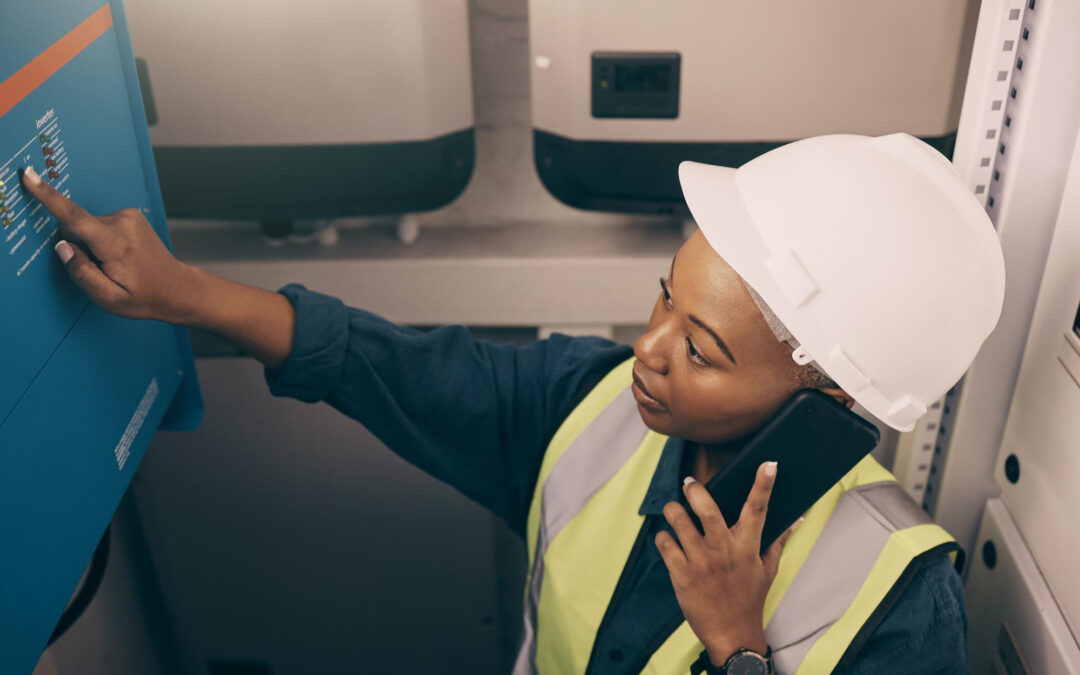
Workplace risks are not limited to factories, construction sites or oil and gas projects. They can be found in offices, warehouses, shops, hospitals, farms and even remote working environments. For businesses across East Africa, carrying out a workplace risk assessment helps protect employees, reduce disruptions and keep operations running smoothly.
What Is a Workplace Risk Assessment?
A workplace risk assessment is a simple process of identifying anything that could cause harm, understanding how serious the danger is and taking action before an accident or problem occurs. A good assessment looks at the whole workplace instead of focusing only on visible safety hazards.
This means checking for:
- Unsafe equipment or machinery
- Slippery floors, poor lighting or exposed wiring
- Fire and emergency risks
- Heavy workloads and employee burnout
- Harassment, bullying or unfair treatment
- Poor working posture and uncomfortable workstations
- Cybersecurity and data protection risks
- Unsafe travel or fieldwork conditions
Why Workplace Risk Assessments Matter
Ignoring workplace risks can lead to injuries, damaged equipment, lost working hours, low employee morale and unnecessary costs. Regular risk assessments help employers:
- Protect employees and visitors
- Reduce workplace accidents
- Improve productivity
- Prepare for emergencies
- Meet health and safety requirements
- Build trust among employees
- Prevent small problems from becoming expensive emergencies
A safer workplace is usually a more organised and productive workplace.
How to Conduct a Workplace Risk Assessment
1. Identify the Hazards
Walk through the workplace and look for anything that could cause harm. Speak to employees because they often notice risks that managers may miss. Review previous accidents, complaints, equipment failures and emergency reports.
2. Decide Who Could Be Affected
Consider employees, contractors, customers, visitors and people working away from the main office. Some employees may face greater risks because of the type of work they do, their work location or the equipment they use.
3. Measure the Level of Risk
You could start by asking two simple questions: how likely is this problem to happen? and, how serious would the results be? A risk that is likely to happen and could cause serious harm should be handled first.
4. Put Controls in Place
The best solution is to remove the hazard completely. Where that is not possible, reduce the risk as much as you can. This may involve:
- Repairing or replacing faulty equipment
- Improving work procedures
- Providing protective equipment
- Training employees
- Reducing excessive workloads
- Improving supervision
- Introducing clear safety and emergency policies
- Restricting access to dangerous areas
Employees should understand the controls and why they are necessary.
5. Record What Was Found
Keep a simple written record of the hazard, who could be affected, the level of risk, the action required and the person responsible. Documentation helps management track progress and shows that the organisation is taking workplace health and safety seriously.
6. Review the Assessment Regularly
Workplaces change. New employees, machinery, technology, projects and work locations can introduce new risks. Review the assessment after an accident, major operational change or employee complaint. It should also be reviewed regularly even when no incident has occurred.
Make Safety Part of Everyday Work
Workplace risk assessment should not be treated as paperwork completed only during inspections. Managers and employees should report hazards early, discuss safety openly and correct problems before someone is harmed. For employers in East Africa, a practical workplace risk assessment can protect people, improve performance and strengthen business continuity. The goal is simple: identify the danger, understand the risk and take action before it becomes a bigger problem.